Bortle Scale in India: Understanding Light Pollution Before You Travel

If your telescope feels disappointing from a city terrace, the instrument may not be the problem. The sky itself may be saturated. The Bortle scale is the first field language every Indian beginner should learn before buying more gear or driving toward a dark site.
Before you plan a moonless weekend, do one honest thing from home: step outside, let your eyes settle, and compare your sky with the AstroNotYet Bortle Estimator. If you can barely hold a constellation together, that is not a personal failure. It is data. Once you know the kind of sky you actually have, Sector Recon stops being a random map and starts becoming a mission planner.
This guide is for the observer standing between two worlds: the bright Indian city where the hobby begins, and the darker field site where the sky finally opens. The goal is not to shame city skies. The goal is to know what they can do, what they cannot do, and when it is worth travelling.
What Is The Bortle Scale?
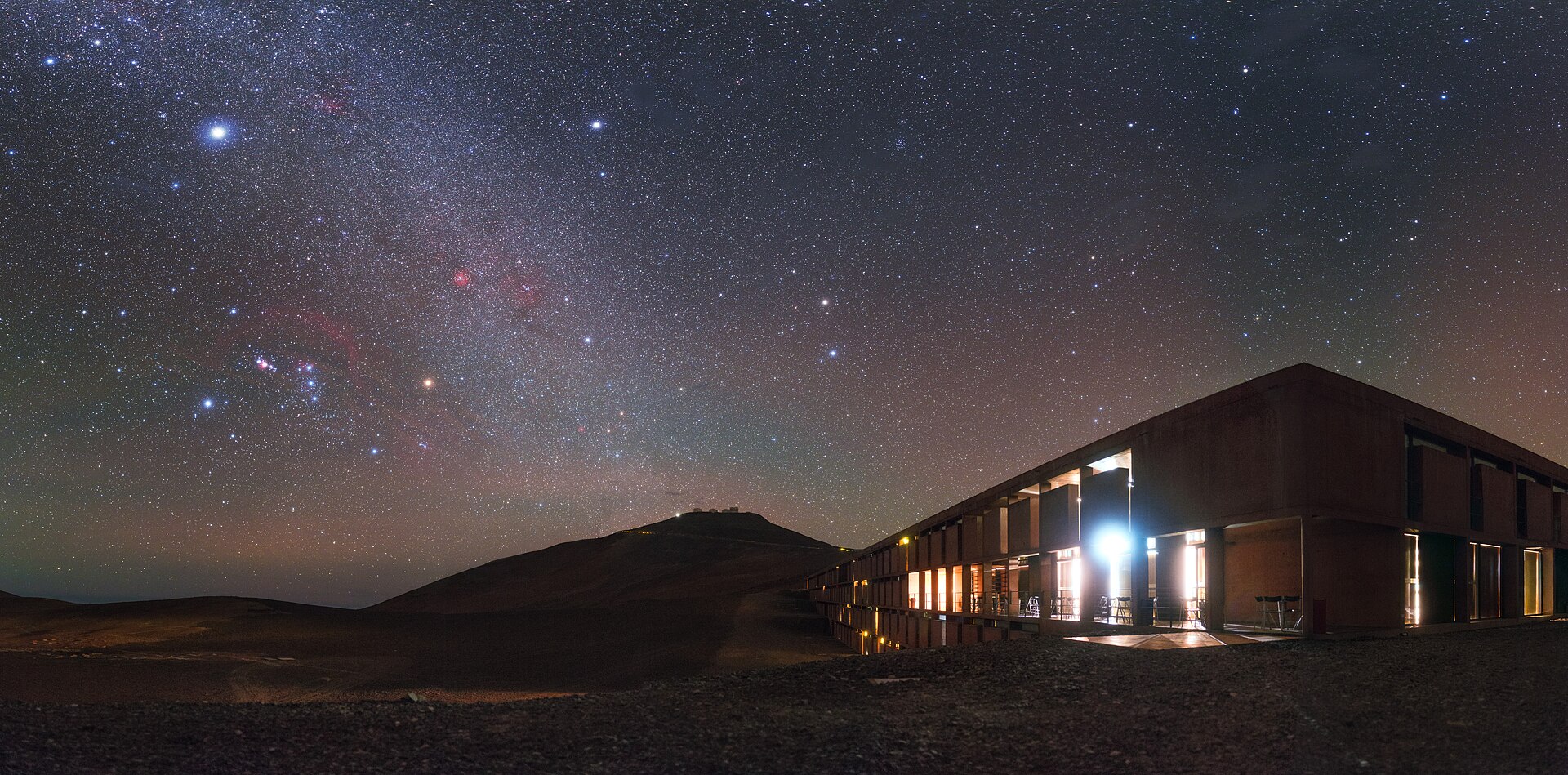
The Bortle scale is a field rating for night-sky darkness. It runs from Bortle 1, a truly dark sky where the Milky Way has structure and presence, to Bortle 9, an inner-city sky where only the Moon, planets, and a few bright stars survive.
For Indian observers, this matters immediately. A beginner in Mumbai, Delhi, Pune, Bengaluru, Hyderabad, Ahmedabad, Chennai, Kolkata, or any fast-growing urban zone may be looking through Bortle 7 to 9 conditions without knowing it. That does not mean astronomy is impossible. It means your target list must match your sky.
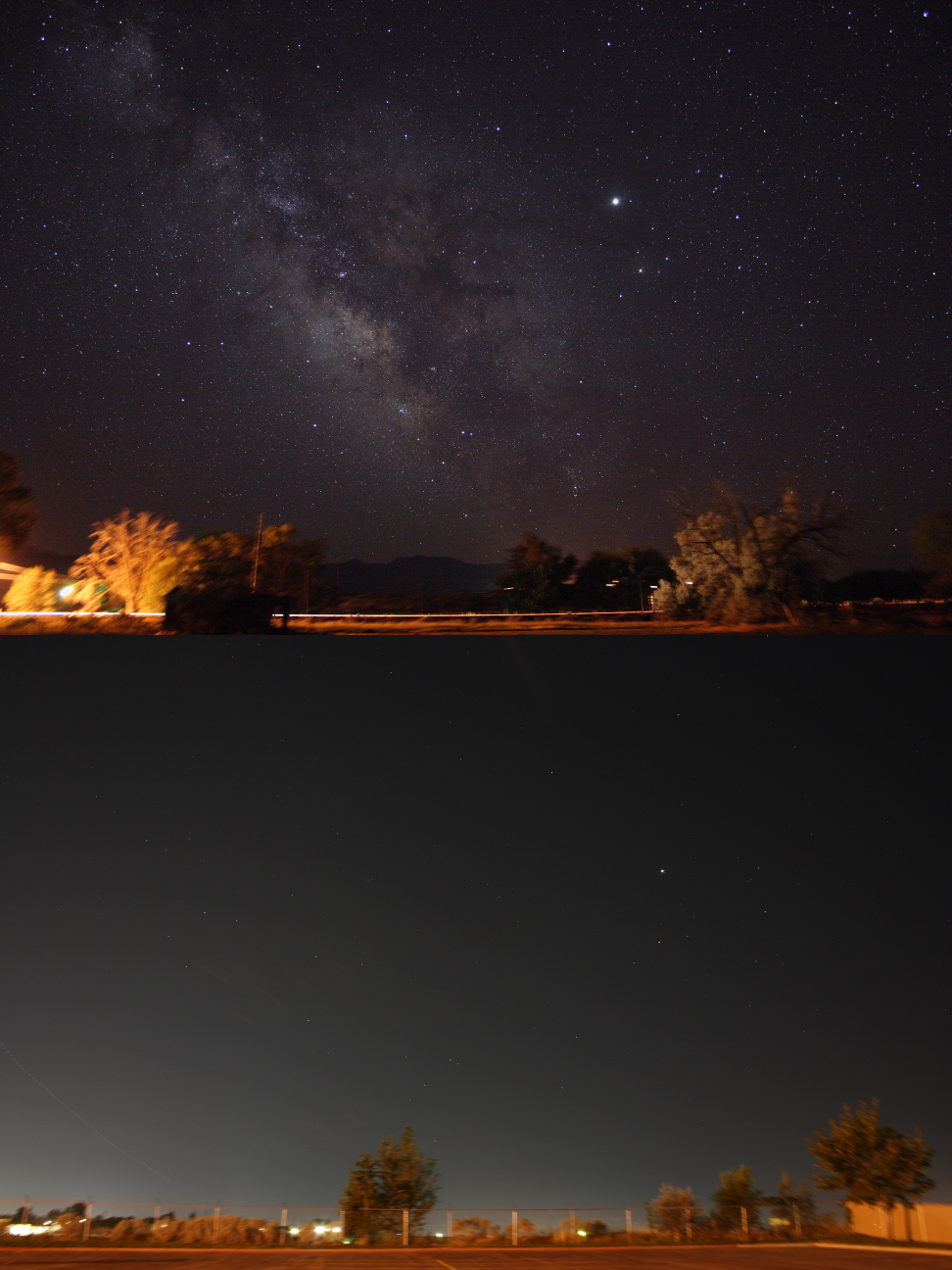
The Same Telescope Behaves Differently Under Different Skies
A 6-inch telescope from a bright city can feel disappointing on galaxies. The same telescope from a rural sky can feel like someone upgraded the universe. This is why experienced observers obsess over Moon phase, transparency, haze, humidity, and distance from direct light. They are not being dramatic. They are protecting signal.
| Sky condition | What to expect | Better targets |
|---|---|---|
| Bortle 8-9 city sky | washed-out background, few naked-eye stars, strong LED glow | Moon, planets, double stars, bright clusters, solar observing |
| Bortle 5-6 suburban/rural edge | more constellations, some Messier objects, better binocular sessions | Orion Nebula, Pleiades, Beehive, bright nebulae, open clusters |
| Bortle 1-3 dark sector | Milky Way structure, faint stars, real deep-sky contrast | galaxies, nebulae, globular clusters, Milky Way photography |
If you want to test your own sky, start with the AstroNotYet Bortle Estimator. It will not replace a proper sky-quality meter, but it gives beginners a language for what they are seeing. Once you understand the class of your sky, Sector Recon becomes more useful because you are no longer looking for a magical location; you are looking for a better mission profile.
City Astronomy Is Still Real Astronomy
Do not let a polluted sky convince you that you are not an astronomer yet. City astronomy is a different mission profile. From a bright terrace or balcony, you can still learn lunar geography, follow Jupiter’s moons, watch Saturn, split double stars, track Venus phases, sketch sunspots with proper solar filters, and practice star-hopping with the bright stars that remain.
The mistake is not observing from a city. The mistake is expecting a Bortle 9 sky to behave like Ladakh, Hanle, Spiti, Kutch, or a remote rural plateau. Every sky has a target list. The discipline is learning which targets belong to yours.
When Should You Travel For Dark Skies?
Travel when the Moon is not flooding the sky, when cloud forecasts are sane, and when you can reach the site safely. A darker site on a full-Moon night may disappoint you. A modest rural sky on a transparent, moonless night can feel like a revelation.
- Check Moon phase first.
- Check cloud cover and humidity.
- Scout the site in daylight if possible.
- Avoid direct lights, highways, resort floodlights, and unsafe isolated spots.
- Carry red light, water, warm layer, power bank, and a basic observing plan.
- Leave no trash. Dark sites survive only if observers behave like guests.
Turn The Number Into A Plan
Once you know your sky class, the next decision becomes calmer. A Bortle 8 terrace can still be a lunar, planetary, double-star, and bright-cluster station. A Bortle 5 village edge can become a binocular and Messier-object night. A Bortle 2 trip deserves a target list, extra batteries, warm layers, and restraint, because the sky will offer more than you can absorb in one session.
That is where AstroNotYet should feel less like a website and more like a field console. Check the loss of darkness in The Dark Sky archive when you want the larger story. Use Sector Recon when you are actually choosing where to go. Run the Bortle Estimator again after each observing night until you can read your own sky without needing a form.
For the newcomer, the Bortle scale is not just a number. It is the first lesson in honest observing. You are not failing because your city sky looks blank. You are learning the battlefield. Once you know the sky you have, you can choose the mission that belongs to it.
Next signal: open The Dark Sky archive, then run Sector Recon before your next moonless weekend.
Report A Dark-Sky Sector
If you have scouted a site, tested your terrace sky, or found a safer observing zone, log the conditions so another Indian observer does not start blind.