What Can You See Through a Telescope in India?
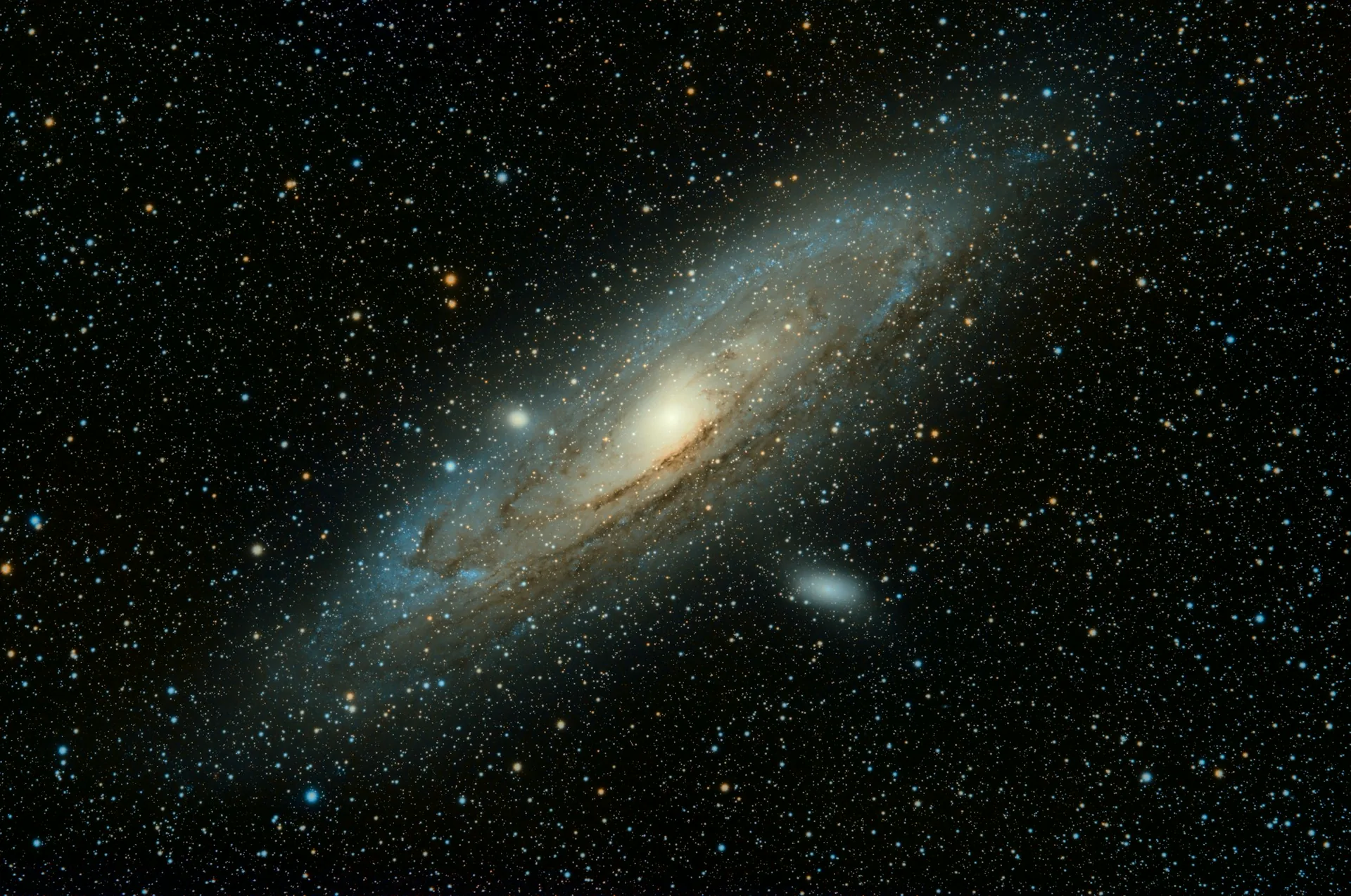
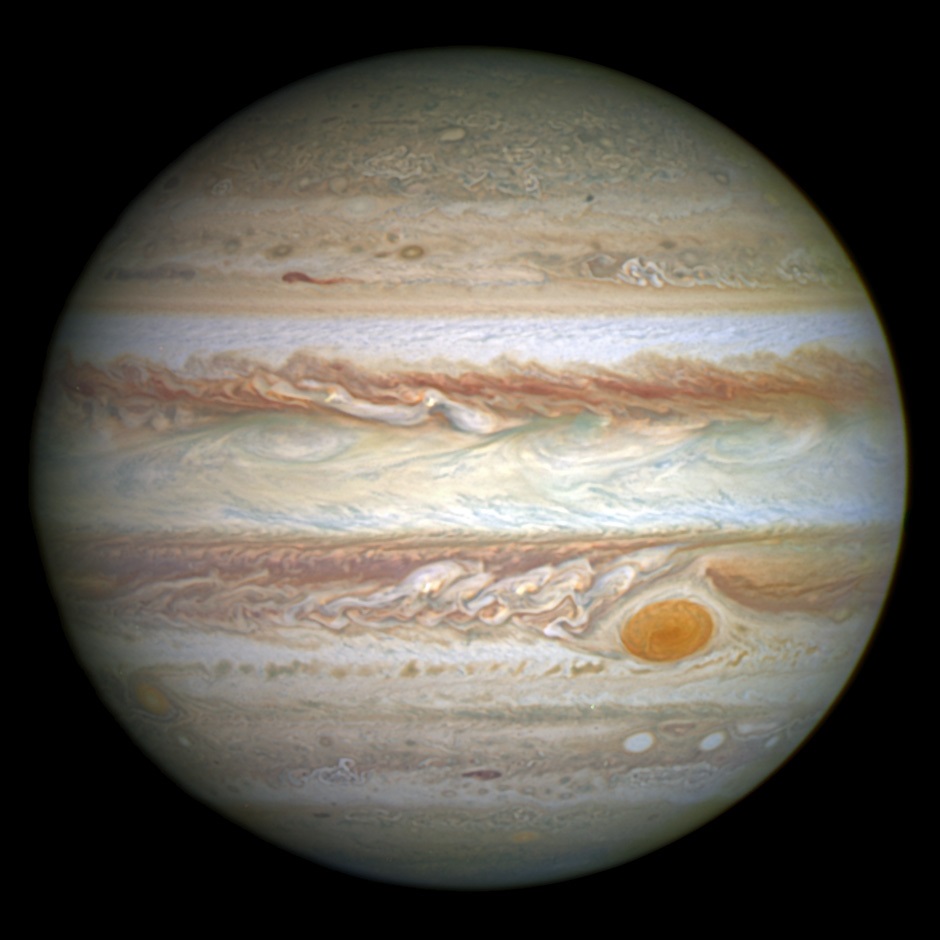
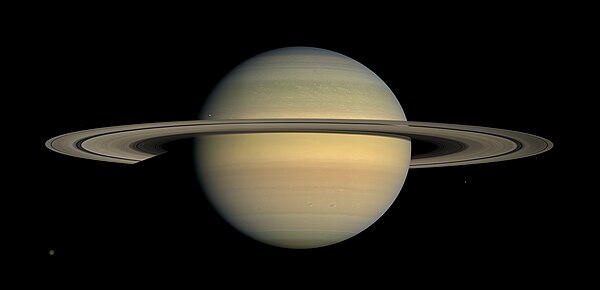
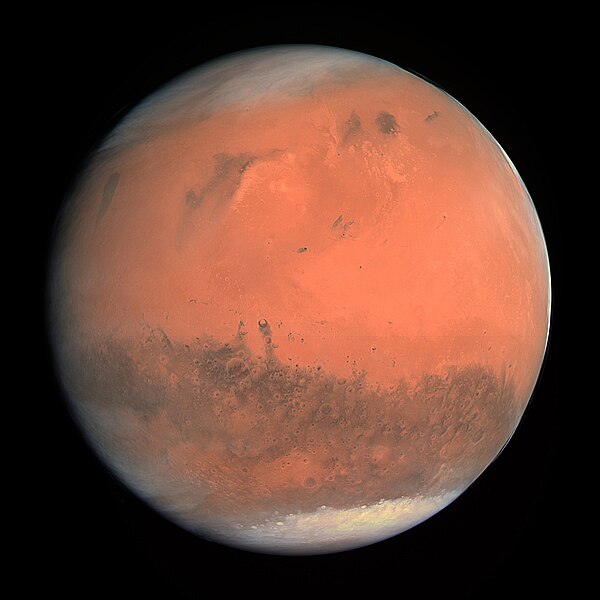
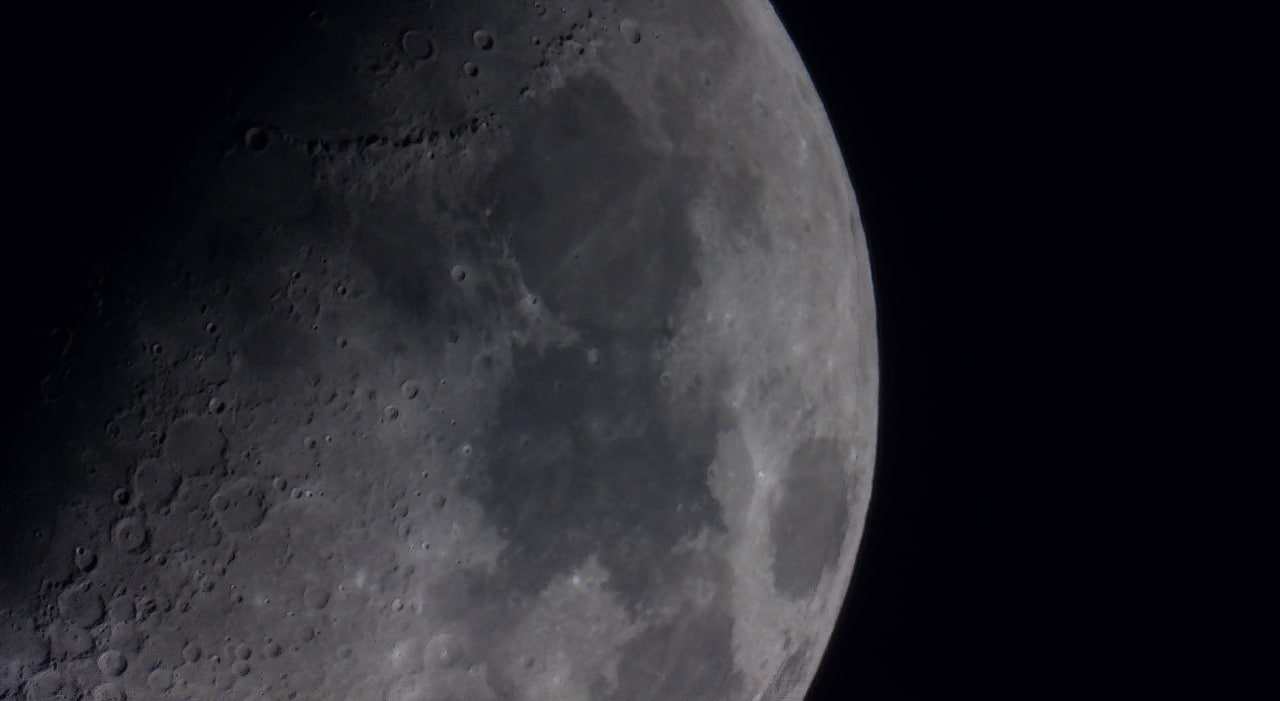
Realistic beginner telescope expectations for India: what the Moon, planets, nebulae, galaxies, and clusters look like under city and dark skies.
A digital outpost for India's stargazers. We are the primary uplink designed to bridge the gap between urban curiosity and the cosmos.
Whether you are a complete novice looking up for the first time or a veteran capturing deep-sky photons, this platform provides the signal (Community) and supply lines (Gear) you need to launch your journey.
MISSION OVERVIEW
Forums for guidance, questions, and signal exchange.
A dedicated marketplace to buy, sell, or upgrade gear.
Resources to take you from "Not Yet" to Astronomer.
Select a primary directive to begin.
Exchange data, log observations, and troubleshoot equipment in real-time with local operatives.
Enter Frequency ->The premier marketplace for verified telescopes, sensors, and mounts in Sector India.
View Inventory ->Downloadable star charts, observation logs, and field manuals for offline deployment.
Access Files ->Strategic recon, campaign logging, tactical mini-games, and field calculators.
Load Modules ->The philosophy, origin, and operational doctrine of the Cosmic Directorate.
Read File ->Star parties, meteor shower peaks, and local community meetups timeline.
View Timeline ->A collection of casual reflex drills and introductory field tools. Start with Tonight's Sky, the Bortle Estimator, FOV Analysis, and the Strategic Calendar, then jump into the simulations when clouds shut the real sky down.
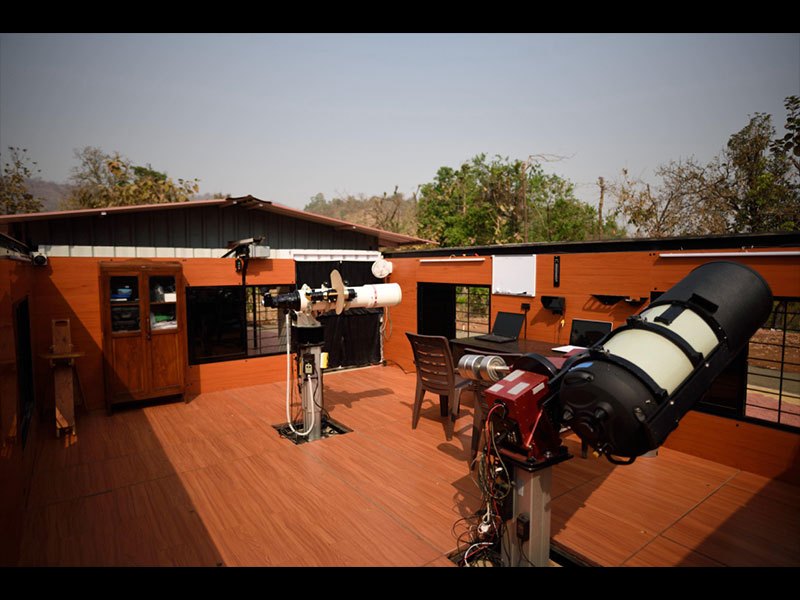
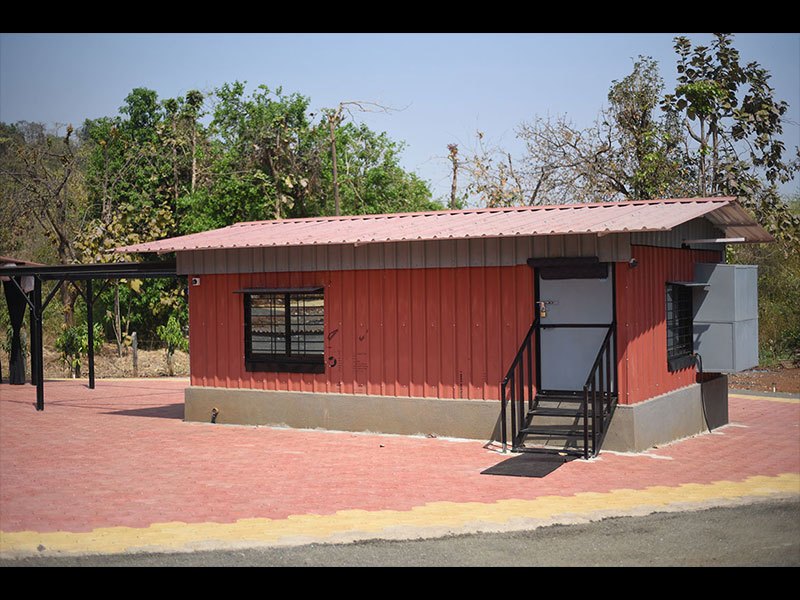
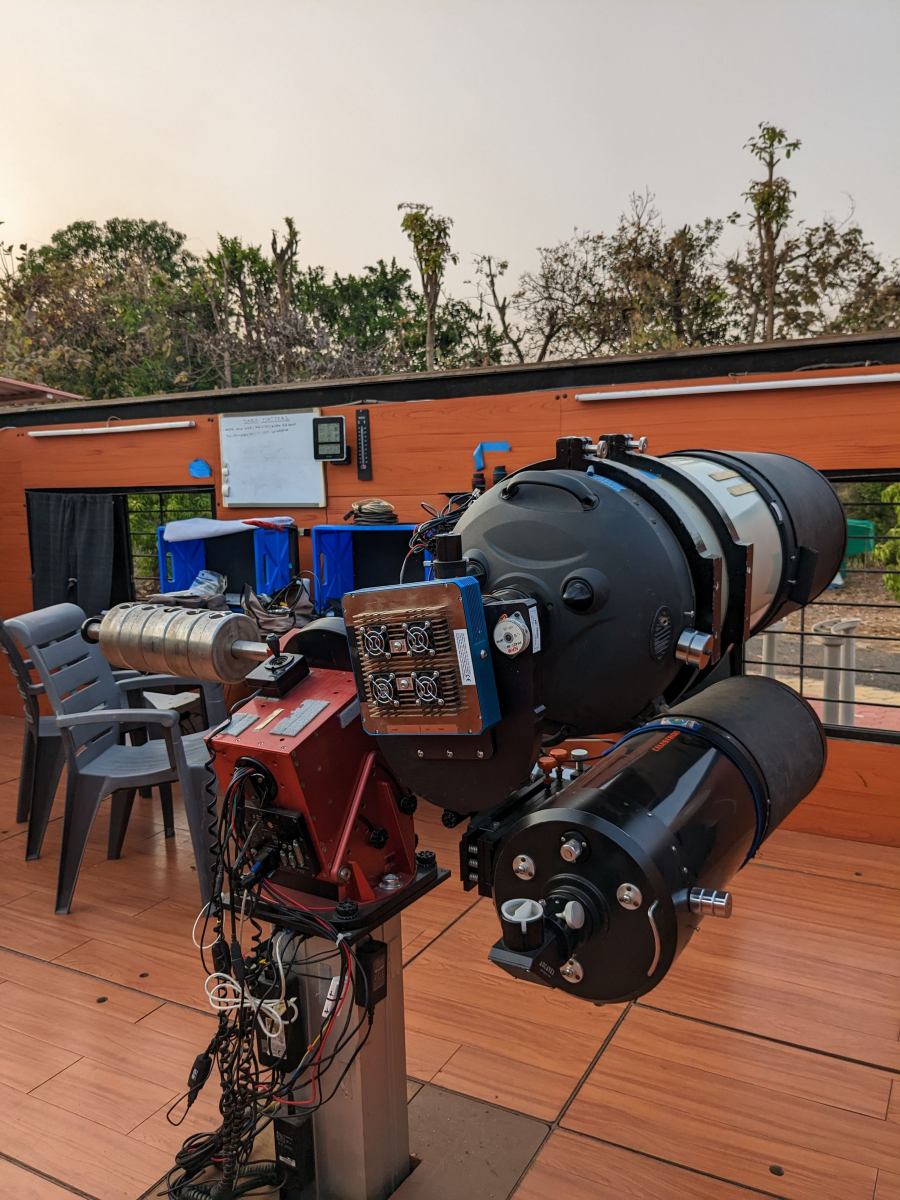
Some places prove that astronomy in India is not only an internet hobby. Dark Matters is one of those places: a real observatory, built from passion, where curiosity can meet serious instruments and a darker sky.
FACILITY_RECON // SITE_ALPHA
Acting as AstroNotYet's primary technical anchor, Dark Matters gives this community a real-world reference point: research-grade optics, darker skies near Shahapur, and an observatory built from Jay Nadaf's long-standing passion for making astronomy accessible in India.
It is not just a place we admire. It is the kind of field outpost that gives AstroNotYet legitimacy: proof that the journey from astro-not-yet to observer can move from browser, forum, and guide into an actual night under serious instruments.
It gives the astro-not-yet a memory of the real sky, not just another browser tab.
Night-sky introductions, solar observation, planets, stars, nebulae, galaxies, lectures, and videos.
An observatory created by an amateur astronomer whose work is personally inspiring to AstroNotYet.
A compact pulse from the living parts of AstroNotYet: forum questions, gear listings, and events.
Latest transmissions from Indian observers
Essential utilities for real-time deployment. Access our suite of tactical tools designed to optimize your observation window and log your acquisitions.
We are not the first to look up, but we may be the last to see. The Vault is our repository of the titans, machines, and protocols that mapped the cosmic ocean before the urban haze set in.
Realistic beginner telescope expectations for India: what the Moon, planets, nebulae, galaxies, and clusters look like under city and dark skies.
Beginner astrophotography guide for India: start with phone or DSLR, plan around Bortle sky, Moon phase, weather, mounts, exposure, and realistic upgrade paths.
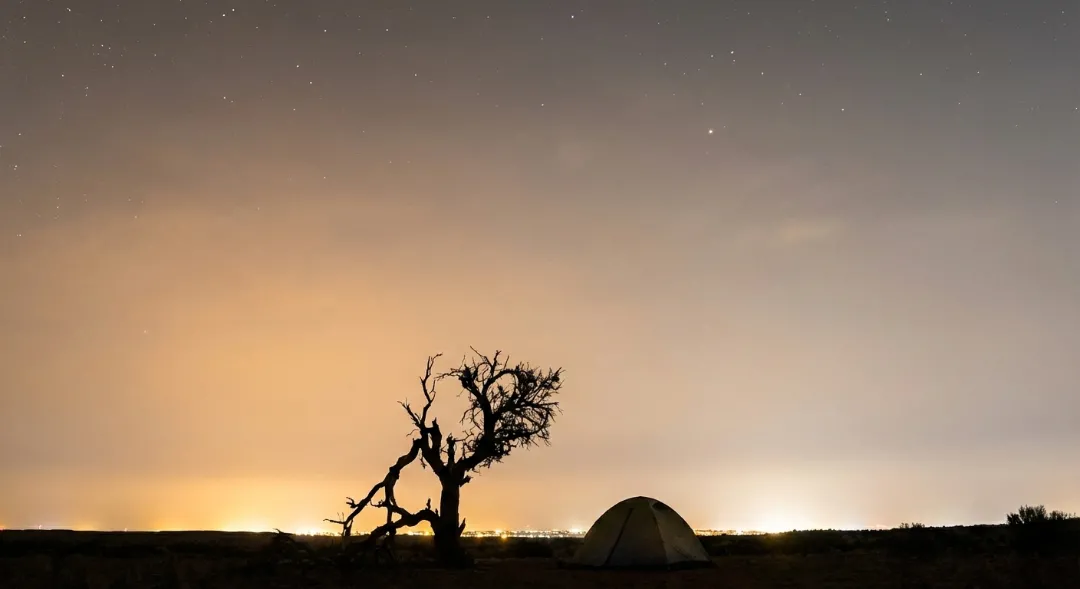
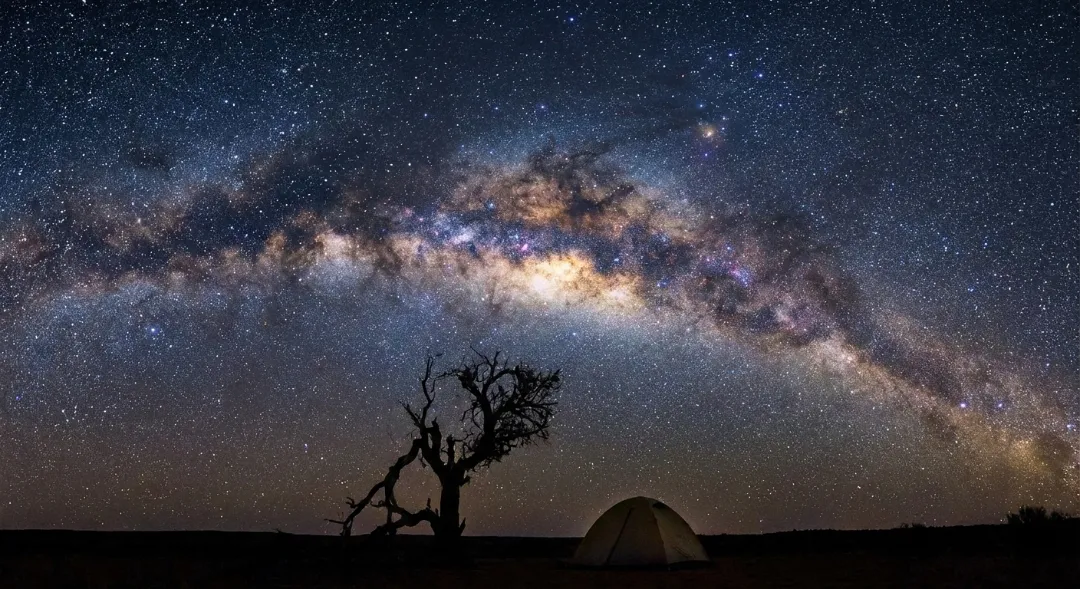
Since 2015, the light of the Indian night sky has been vanishing at a rate of 9.2% per year. For 80% of our operatives, the Milky Way is now an invisible memory, erased by urban saturation.
This is more than data loss. It is the physical erasure of 400 billion stars from our collective consciousness.
The fastest way to make the site useful is to transmit a question, list gear, or help the next astro-not-yet.