System Archive
Standard Data Feed
Astronomy feels lonely only until you stand beside another person who can point at a blank-looking sky and say, wait, look again. In India, the right event can turn curiosity into belonging in a single night.
This guide is for newcomers trying to find astronomy events in India without falling into random forwards, vague Instagram posters, or expensive stargazing trips that promise more than the sky can deliver. Use the AstroNotYet Events Monitor for site signals, check the community frequency for local chatter, and use this page to judge any club, planetarium session, workshop, star party, or public skywatching night before you register.
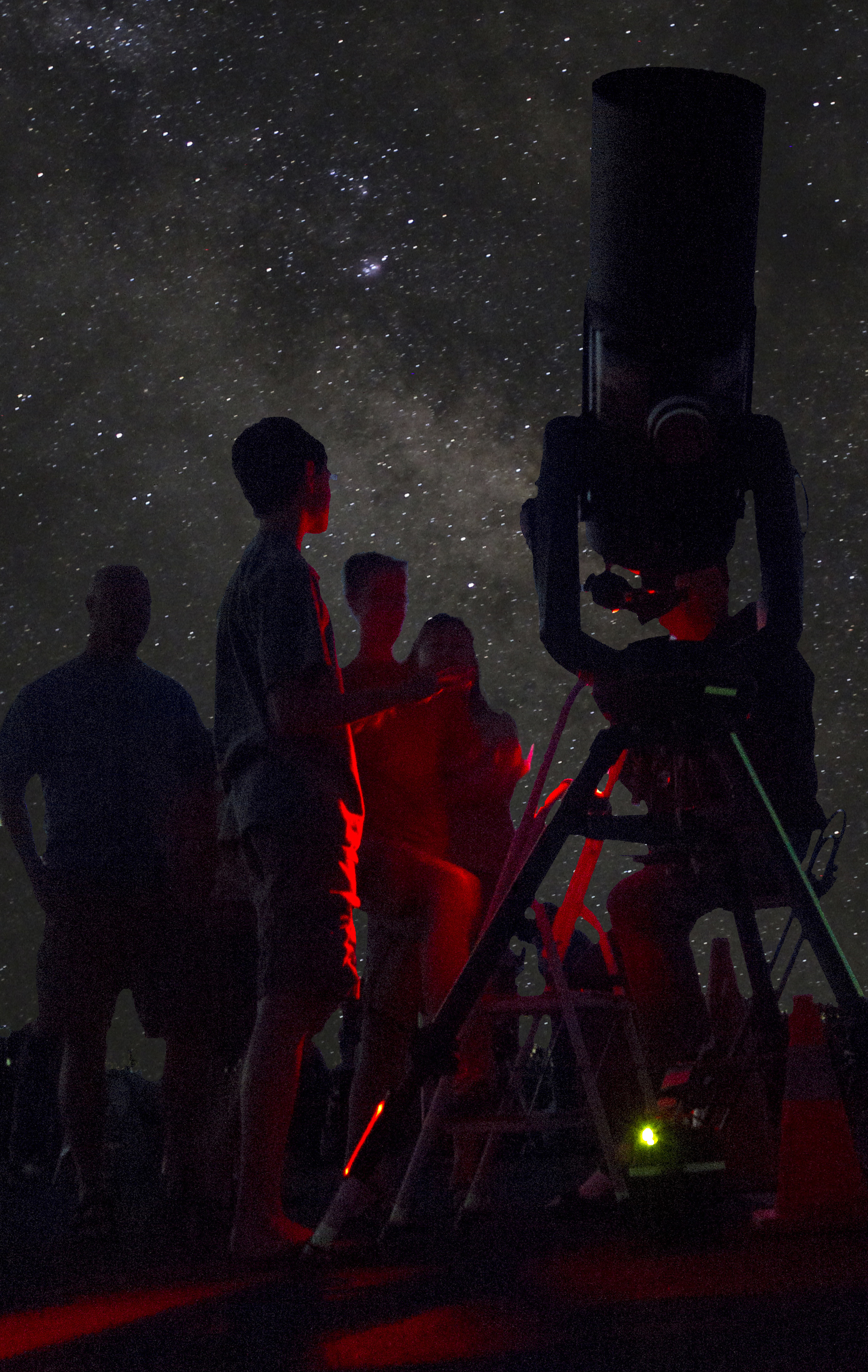
Event Signal Check
Who
Named organizer, club, institution, volunteers, or educators.
Where
Clear venue, transport plan, access, permissions, and safety path.
Sky
Moon phase, cloud risk, light pollution, and realistic targets stated.
After
Refund, reschedule, backup talk, or honest weather contingency.
What Counts As An Astronomy Event?
Do not limit your search to overnight star parties. In India, astronomy events can be public telescope nights, planetarium shows, science-centre sky observations, talks by researchers, school outreach, meteor-shower watches, eclipse sessions, astrophotography workshops, telescope demos, club meetings, online lectures, and informal terrace meets. For an astro-not-yet newcomer, a one-hour Moon session can be more valuable than an all-night trip you are not ready for.
Where To Start Looking
Start with known institutions and clubs, then branch outward. In Mumbai, check Khagol Mandal, the Nehru Centre Planetarium, and Nehru Science Centre sky-observation programmes. Around Pune, check Jyotirvidya Parisanstha and IUCAA public outreach signals. For Mumbai-Pune paid trips and workshops, also compare groups such as Amateur Astronomy Club, then verify every current event page before paying.
High-trust signals
Planetariums, science centres, long-running amateur clubs, university outreach pages, and events where the organizer, location, schedule, and weather policy are clearly stated.
Low-trust signals
Huge promises, no Moon/weather mention, no organizer history, unclear refund policy, unsafe transport plan, copied sky photos, or pressure to pay quickly.
How To Judge A Star Party Before Registering
| Question | Why it matters | Good answer sounds like |
|---|---|---|
| What is the Moon phase? | A bright Moon can erase deep-sky expectations. | Targets are matched to Moon conditions, not oversold. |
| What if clouds arrive? | Indian weather can collapse a perfect poster. | Clear backup plan, refund/reschedule policy, or honest risk note. |
| Who is leading? | Beginners need orientation, not just transport. | Named astronomers, volunteers, club members, or educators. |
| What will beginners actually see? | Realistic expectations protect enthusiasm. | Moon, planets, bright clusters, constellations, or deep-sky targets depending on sky. |
| How safe is the site? | Darkness is useless if the ground plan is bad. | Known site, parking, toilets/basic facilities, return timing, emergency contact. |
Match The Event To Your Stage
If you are brand new, begin with a planetarium show, public telescope night, or club meeting. If you already know the Moon, Jupiter, Saturn, and a few constellations, try a short local observing session. If you have stayed awake under the sky before and understand Moon phase, transparency, and basic field etiquette, an overnight dark-sky event becomes more useful.
Before travelling, read the Bortle guide and the Mumbai-Pune stargazing field guide. They will help you understand why some events choose certain dates, why monsoon ruins plans, why full-Moon trips behave differently, and why a safe Bortle 5 night can be better than a reckless chase for Bortle 2 darkness.
What To Carry To Your First Event
- Warm layer, even when the city feels hot.
- Water, simple food, and any medicine you may need.
- Red light or dim flashlight; avoid blasting white phone light near telescopes.
- Power bank, offline map, and emergency contact details.
- Notebook or the Mission Log habit: time, sky, target, what you saw, what confused you.
- Binoculars if you already have them; do not buy gear just to attend.
- Patience. A queue at a telescope is still part of the night.
How To Behave Around Telescopes
Do not touch optics, eyepieces, focusers, or mounts unless invited. Ask before taking flash photos. Keep lights low. Let children look, but keep hands controlled. If you cannot see the object, say so; a good volunteer will refocus, re-aim, or explain what to look for. The most useful sentence at your first event is not “wow.” It is “what should I be noticing?”
Use AstroNotYet To Keep The Signal Alive
An event should not be a one-night souvenir. After you return, log what happened in Mission Log, check upcoming windows in the Strategic Calendar, ask follow-up questions in the forums, and watch the Events Monitor for the next signal. If you attended a good session, share a short field report so another beginner can find the path faster.
Next signal: open the Events Monitor, check one local club or planetarium page, then choose one beginner-safe event you can actually attend this month.
The best stargazing site near Mumbai or Pune is not the one with the most dramatic Instagram reel. It is the place where darkness, safety, road access, permission, weather, Moon phase, and return logistics all agree on the same night.
This guide is for observers in western India who are ready to leave the balcony but do not want to gamble an entire night on vague coordinates. Start with the Bortle scale guide if you are still learning how light pollution behaves. Use Sector Recon when you want to compare candidate zones. Then use this page as the field checklist before you move people, gear, fuel, and sleep into the mission.
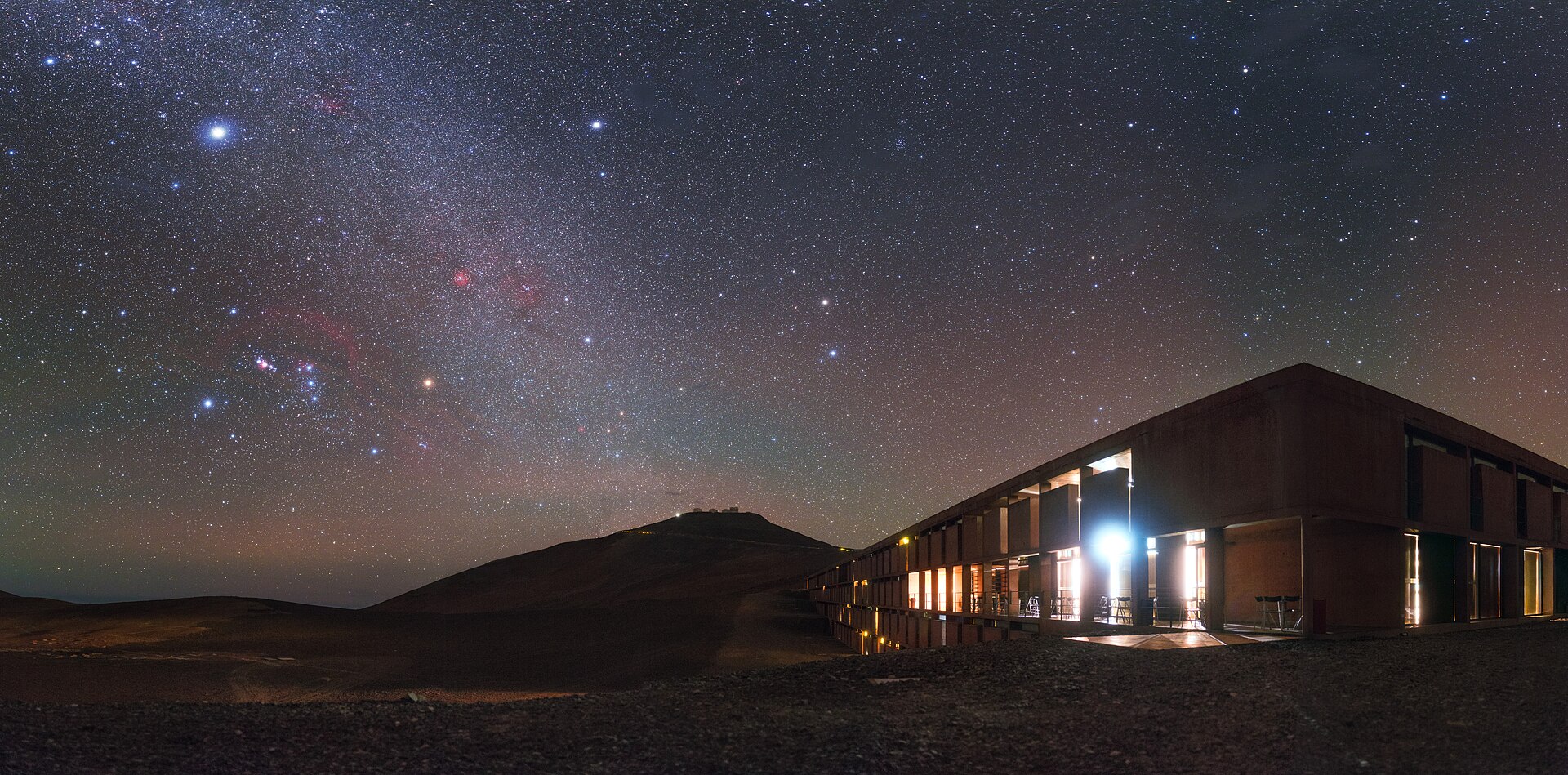
Do Not Hunt Coordinates. Hunt Conditions.
A location that was excellent last winter can become poor after a new resort floodlight, highway work, wedding lawn, road barrier, cloud bank, or full Moon. Treat every recommendation as a candidate, not a guarantee. The real skill is learning how to evaluate a site before you drag a telescope, family, friends, or a first-time beginner into the night.
Use Light Pollution Maps, But Do Not Worship Them
Before shortlisting a site, check broad sky-glow patterns on external maps like Light Pollution Map App and LightPollutionMap.info. They are useful for comparing the Mumbai-Pune glow, finding darker corridors, and avoiding obviously bad directions. But they cannot tell you whether a farmhouse has floodlights, whether a road is safe at midnight, whether humidity will ruin transparency, or whether a new resort has changed the ground reality.
Use those maps for first-pass screening, then bring the candidate back into AstroNotYet: estimate your sky with the Bortle Estimator, compare the zone in Sector Recon, and choose the actual night using the Strategic Calendar.
Sky
Check Bortle estimate, Moon phase, cloud cover, haze, humidity, and expected transparency.
Ground
Check parking, exit route, local permission, phone signal, toilets, food, and daylight access.
Crew
Match the site to the weakest link: new driver, new observer, family comfort, gear weight, and return fatigue.
Route Logic From Mumbai
Mumbai observers fight three enemies before the first star appears: coastal humidity, city glow, and the time cost of escaping the metro belt. Better skies often begin only after you move past direct urban glare. Shahapur, Murbad, Karjat-side routes, rural Nashik-side belts, and Bhandardara/Kalsubai-side regions are common search directions, but the exact field matters more than the name.
For a first run, do not chase maximum darkness. Chase a controlled site with a clear horizon, safe parking, low local lighting, and a realistic return plan. A beginner who sees Orion, Jupiter, the Moon, Pleiades, or the Milky Way faintly from a disciplined Bortle 4 or 5 night learns more than a tired crew stranded beside a dark but unsafe road.
Route Logic From Pune
Pune has more rural directions available, but that does not make every hill, dam road, or fort-side location a good astronomy site. The western hill belt can be beautiful and humid. Plateau routes can be windy. Popular tourist points can be bright, noisy, and crowded. A place that feels remote at sunset may become useless when vehicle headlights and resort lights begin moving through the frame.
For Pune observers, the best early strategy is repeatability. Pick one reachable candidate zone, scout it in daylight, run the same sky checks across multiple Moon phases, and build a personal field note. Repeat visits beat random heroic drives. Use the Mission Log or your own notebook to record what the sky actually did, not what the map promised.
Western India Site Matrix
| Site Type | Useful For | Failure Mode | Best First Move |
|---|---|---|---|
| Farm stay or known campsite | Beginner group nights, families, basic comfort, safer parking | Decorative lights, music, resort glare, crowded weekends | Call ahead and ask about lights after 10 PM |
| Dam or lake-side rural zone | Open horizons and darker surroundings | Humidity, fog, insects, unsafe edges, police/local restrictions | Scout by day and avoid isolated edges |
| Hill road or ghat viewpoint | Horizon views, meteor watches, quick wide-sky sessions | Headlights, wind, traffic, no safe setup area | Use only if there is a legal, safe pull-off away from traffic |
| Village outskirts | Lower sky glow, human presence nearby, practical access | Streetlights, dogs, curiosity crowd, permissions | Speak respectfully and avoid private land assumptions |
| Deep rural dark zone | Milky Way, nebulae, galaxy hunting, serious sessions | Safety, navigation, fatigue, no support nearby | Go with experienced observers first |
The Moon Decides More Than The Map
A darker site on a full-Moon night can disappoint a beginner who expected galaxies. A modest rural site on a clean moonless night can feel like a revelation. Before choosing any Mumbai or Pune route, check the Strategic Calendar, Moon phase, Moon rise/set time, cloud cover, and humidity. If the Moon is bright, plan lunar observing, planetary viewing, double stars, or a training night instead of faint deep-sky hunting.
Abort Criteria
Cancel or downgrade the mission if cloud forecasts are unstable, the site cannot be reached safely in daylight, permissions are unclear, or the return drive depends on an exhausted driver.
Switch targets if transparency is poor. A hazy night can still be useful for Moon, planets, bright stars, training, and learning the sky from a less-than-perfect field.
A First Dark-Sky Run For Newcomers
If you are taking someone who is astro not yet, do not make the first trip an endurance test. Keep it short, safe, and memorable. Show them the Moon through binoculars or a small telescope. Point out one constellation. Let them see how many more stars appear after eyes adapt. If the Milky Way is visible, give them silence before explanation. The first real dark sky does not need a lecture. It needs space.
- Choose a moonless or low-Moon window from the Strategic Calendar.
- Run the home sky and candidate zone through the Bortle Estimator.
- Compare the region using Sector Recon, but verify safety separately.
- Scout or confirm the exact ground in daylight before a serious session.
- Carry red light, water, warm layer, power bank, basic first aid, and a trash bag.
- Keep white lights low, leave no trash, and do not make dark sites hostile to locals.
The point is not to escape the city once and declare victory. The point is to build a repeatable observing circuit: one home sky, one nearby practice site, one darker field site, one serious dark-sky target for special nights. That is how a beginner becomes an observer.
Next signal: read the Bortle guide, open Sector Recon, choose a moonless window in the Strategic Calendar, and log your first field attempt in Mission Log.